
Our team and ecosystem
We integrate expertise in AI, drug discovery, microbiology and chemistry from across Canada’s academic, public and private sectors, and interface with global initiatives to tackle AMR
The PandemicStop-AI consortium
16
Principal
investigators
8
Canadian
academic institutions
4
Public
partners
7
Industry
partners
The consortium is growing!
Since launching in 2024, the consortium has welcomed four new principal investigators: Alex Hernandez-Garcia, Sébastien Lemieux, Sarath Chandar and Michal Koziarski.
We exist within an ecosystem of collaboration
We actively interface with international research institutions and consortia focused on AMR, pandemic preparedness and one health initiatives.
We actively support the AMRQ network
We serve on the organizing committee of the Antimicrobial Resistance Québec (AMRQ) network, helping federate AMR efforts across the region.

Yves Brun
PandemicStop-AI Scientific Director and Lead of Activity 1 “Phenomics profiling”
Professor, Université de Montréal, Microbiologie, infectiologie et immunologie
Canada 150 Research Chair in Bacterial Cell Biology
Prof. Brun is known for developing transformative methods in bacterial cell biology. His pioneering research on bacterial growth, adhesion, and biofilm formation has been featured in high-impact scientific journals. He has managed many large research projects, infrastructure, and multidisciplinary collaborations and will oversee the management of this consortium with a focus on microbiology and microscopy. He will help develop and implement the screening platforms to identify targets and hits and determine the mechanism of action of identified hit compounds.
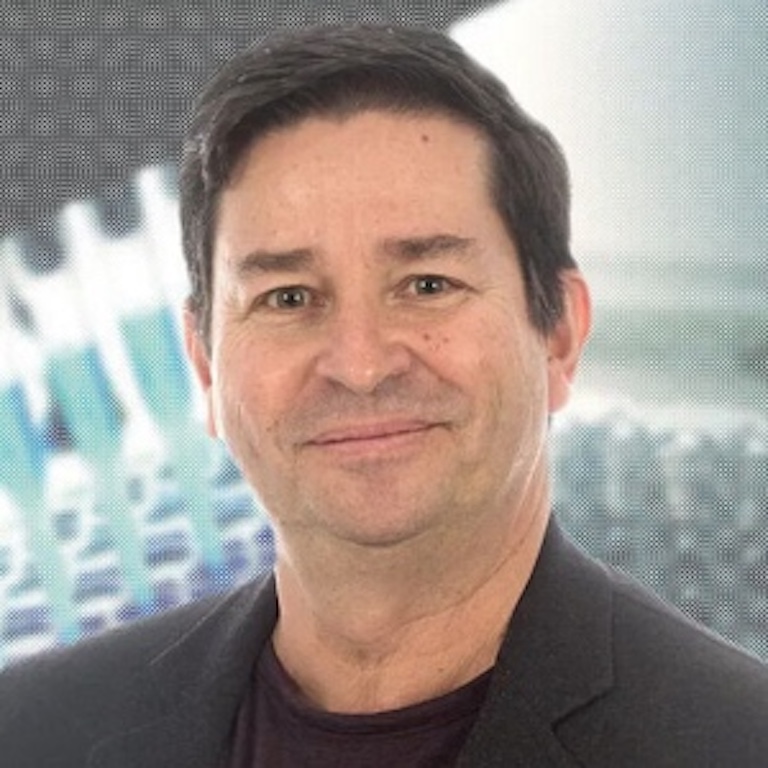
Jacques Corbeil
PandemicStop-AI Co-Director
Professor, Université de Montréal, Microbiologie, infectiologie et immunologie
Canada 150 Research Chair in Bacterial Cell Biology
Mila affiliate member
Prof. Corbeil is a seasoned entrepreneur and professor, bridging ‘omics research, machine learning and translational medicine. His research tackles antimicrobial resistance and host-pathogen interactions, and he leads initiatives on COVID-19 and antimicrobial resistance nationally and globally. In this project, he will generate high-throughput metabolomics data and assess compound toxicity using organ-on-a-chip platforms. He will ensure tight integration between data science and wet lab teams and will oversee the industry partnerships.

Yoshua Bengio
Professor, Université de Montréal, Department of Informatics and Operational Research
Co-president and Scientific Director, LawZero
Canada CIFAR AI Chair and Mila core academic member
Prof. Bengio is recognized as a world expert in AI and deep learning. Concerned with the ethical and social impact of AI, he contributed to the Montreal Declaration for the Responsible Development of AI and with its involvement in promoting responsible regulation. His research encompasses the development of new concepts and methodology in machine learning (ML) and their applications to social good, foremost drug discovery. In this project, he will develop graph neural network and active learning models for antimicrobial prediction in silico, and for scaffold and building block selection for the DNA-encoded libraries.
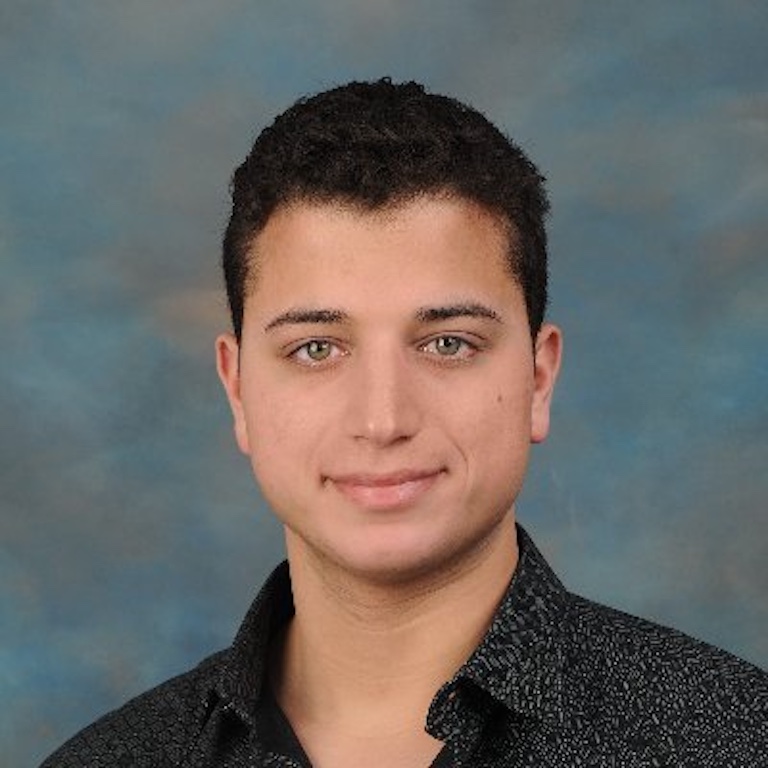
Dominique Beaini
Research unit lead, Valence Labs, Deep learning research
Adjunct professor, Université de Montréal, Department of Informatics and Operational Research
Mila core industry member
Dr. Beaini leads research in machine learning applied to drug discovery. He is known for his contribution to geometric deep learning, especially in the case of graph neural networks expressivity and graph transformers. His goal is to push machine learning towards a better understanding of molecules and their interactions with human biology. At Valence labs, he leads an effort to build ultra-large graph neural networks that are pre-trained on thousands of chemical and biological assays, which he adapts for antimicrobial prediction in this consortium.

Sarath Chandar
Associate professor, Polytechnique Montréal, Machine learning
Canada CIFAR AI Chair and Mila core academic member
Prof. Chandar is an Associate Professor at Polytechnique Montreal where he leads the Chandar Research Lab. He is also a core faculty member at Mila, the Quebec AI Institute. Sarath holds a Canada CIFAR AI Chair and the Canada Research Chair in Lifelong Machine Learning. His research interests include continual/lifelong learning, deep learning, optimization, reinforcement learning, natural language processing and AI for science. To promote research in lifelong learning, Sarath created the Conference on Lifelong Learning Agents (CoLLAs) in 2022 and served as a program chair for 2022 and 2023. He received his PhD from the University of Montreal and MS by research from the Indian Institute of Technology Madras.

André Charette, Lead of Activitiy 4 “Scalable synthesis”
Professor, Université de Montréal, Chemistry
Prof. Charette has extensive experience in developing synthetic methods under batch and continuous flow conditions to prepare small molecules. In this consortium, he develops continuous flow synthesis routes for building blocks, important molecular scaffolds, and reagents identified by the team as important for antimicrobial drug discovery. He also applies real-time monitoring and fine tuning of the flow chemistry system by AI-based analytics to improve the efficiency and cost-effectiveness of synthesis.

Audrey Durand, lead of Activity 2 “Generative drug design”
Associate professor, Université Laval, Informatique et génie logiciel; Génie électrique et génie informatique
Canada CIFAR AI Chair and Mila associate academic member
Prof. Durand works in reinforcement learning and bandit algorithms, both theoretical and applied. She also uses machine learning approaches to study health-related data. Her work in machine learning has been published in prominent conferences and journals. She has been involved with Women in Machine Learning. In this consortium, she contributes active learning strategies to guide building block selection for the DNA-encoded libraries.
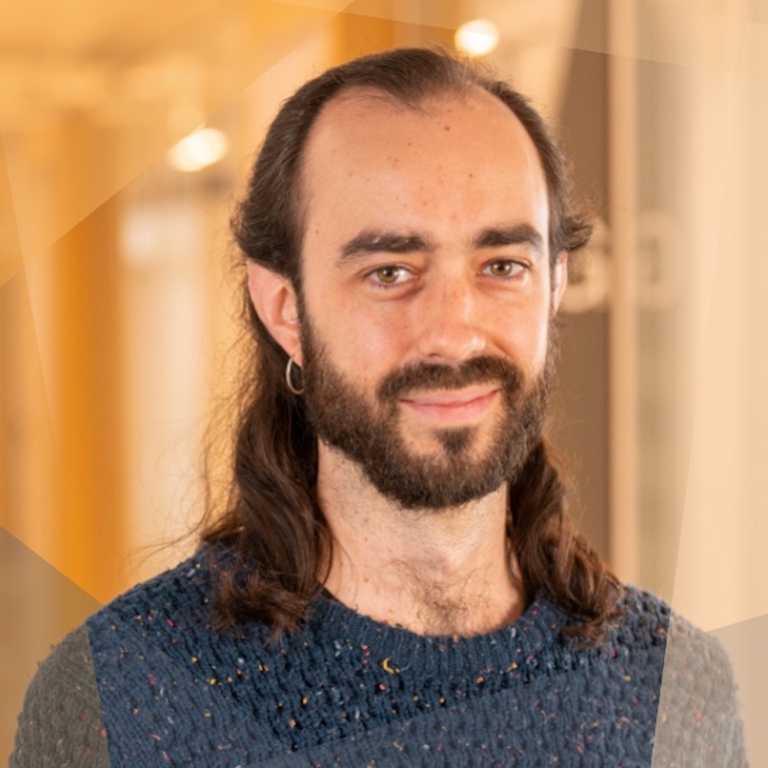
Alex Hernández-García
Assistant Professor, Université de Montréal, Department of Informatics and Operational Research
Mila core academic member
Prof. Hernandez-Garcia is an assistant professor at the Université de Montréal, a core academic member at Mila, IVADO professor and member of the Institut Courtois. His machine learning research is motivated by scientific applications to tackle societal challenges. In particular, a current focus of his work is active and generative machine learning to facilitate scientific discoveries, such as new materials and antibiotics. He also advocates for a critical examination of the impacts of artificial intelligence, is a strong proponent of open science and is active in initiatives about making science more inclusive, equitable, open, reproducible, transparent and environmentally conscious.
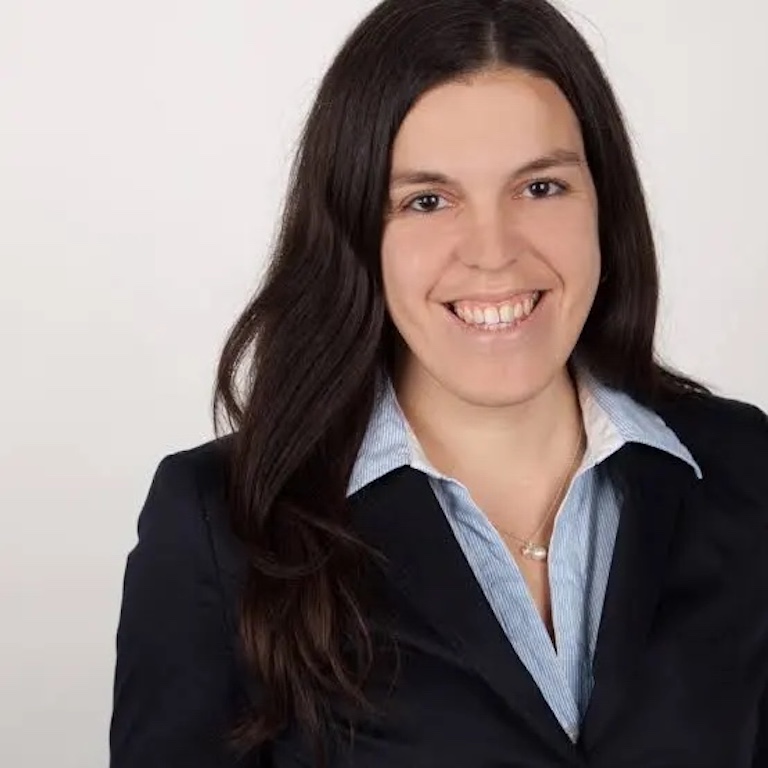
Flavie Lavoie-Cardinal
Associate Professor, Université Laval, Psychiatry and Neuroscience
Canada Research Chair Tier 2 in Intelligent Nanoscopy of Cellular
Mila associate academic member
Prof. Lavoie-Cardinal’s research focuses on the development of machine-learning-assisted super-resolution microscopy techniques applied to living cells. Pursuing quantitative optical microscopy using machine and deep learning, her approaches have pushed forward functional imaging of synaptic plasticity. In this consortium, she develops supervised and unsupervised quantitative microscopy image analysis approaches and AI-assisted microscopy acquisition methods.

Michal Koziarski
Scientist, The Hospital for Sick Children, Molecular Medicine
Assistant Professor, University of Toronto, Chemistry
Prof. Koziarski’s research focuses on machine learning methods to accelerate chemical space exploration. He focuses on generative modeling, active learning, and molecular property prediction, aiming to bridge computational design with experimental validation. By enabling efficient translation to the wet lab and supporting high-throughput data generation, he creates tools that drive discovery across diverse therapeutic areas.
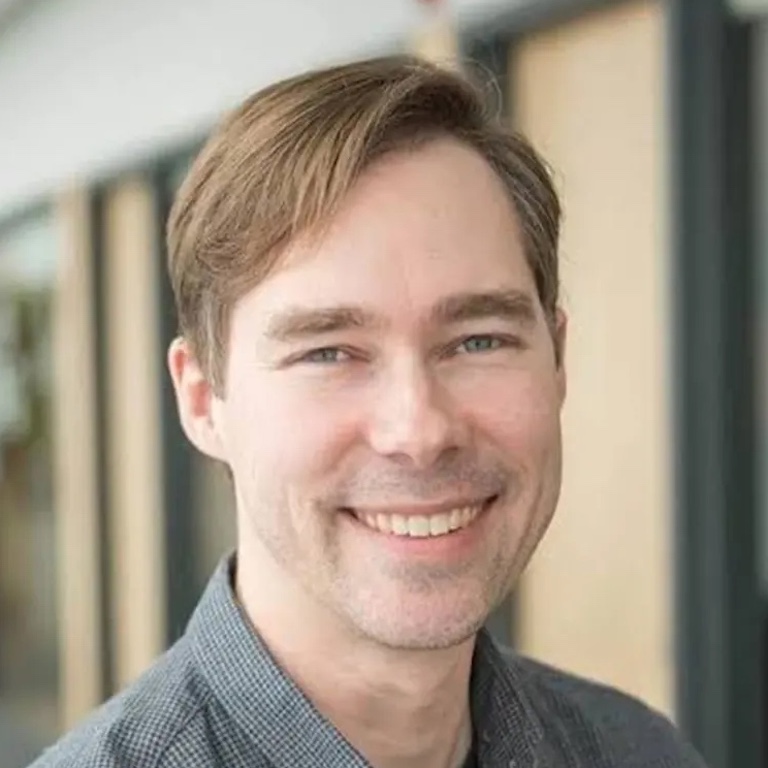
Sebastien Lemieux
Associate Professor, Université de Montréal, Computational biology
Mila associate academic member
Prof, Lemieux trained as a microbiologist but turned to bioinformatics in 1997, completing his MSc and PhD at Université de Montréal under the supervision of François Major. After obtaining his PhD in 2002, he headed to the private sector for postdoctoral training at Elitra Canada (now Merck & Co) under the supervision of Bo Jiang. There he acquired skills in sequence analysis and the analysis of DNA microarray data, as well as in the integration of experimental data with computational techniques. Lemieux joined Université de Montréal in 2005, first at the Institute for Research in Immunology and Cancer (IRIC). In 2018, he was appointed associate professor in the Department of Biochemistry and Molecular Medicine of the Faculty of Medicine.
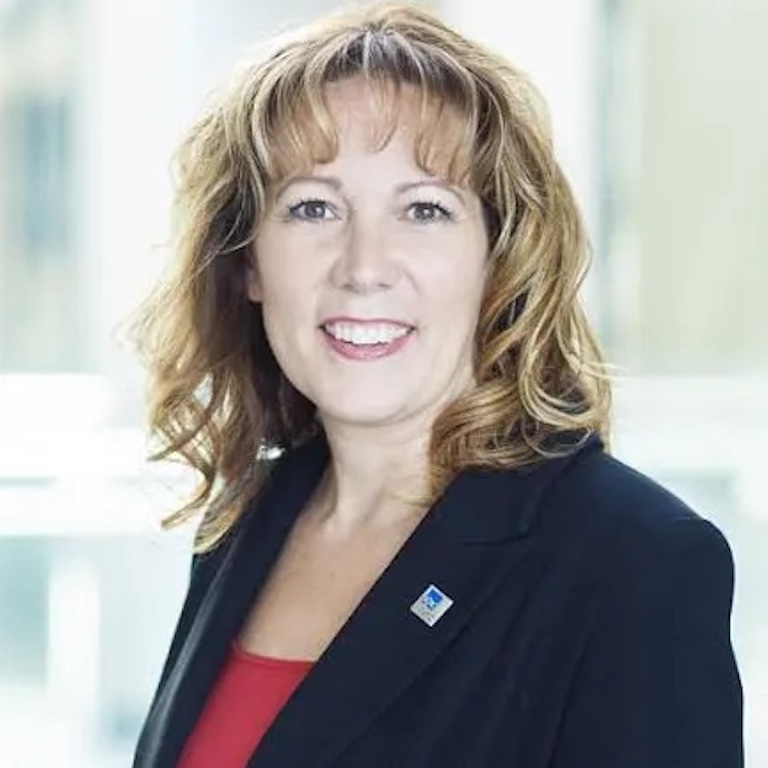
Anne Marinier, lead of Activity 3 “Hit/lead identification”
Director of Medicinal Chemistry & Drug Discovery Unit, Université de Montréal, Institute of Research in Immunology and Cancer
Prof. Marinier has expertise in medicinal chemistry and strong industry expertise in drug discovery, including with antimicrobials. She has a background in drug discovery in industry has co- founded 2 companies, ExCellThera and RejuvenRx (RRX), and is the CEO of RRX. In this consortium, she contributes to the synthesis of DNA-encoded libraries, the selection of hits and the synthesis and optimization of lead compounds. She also oversees EDI in the consortium, together with Prof. Nguyen (below).
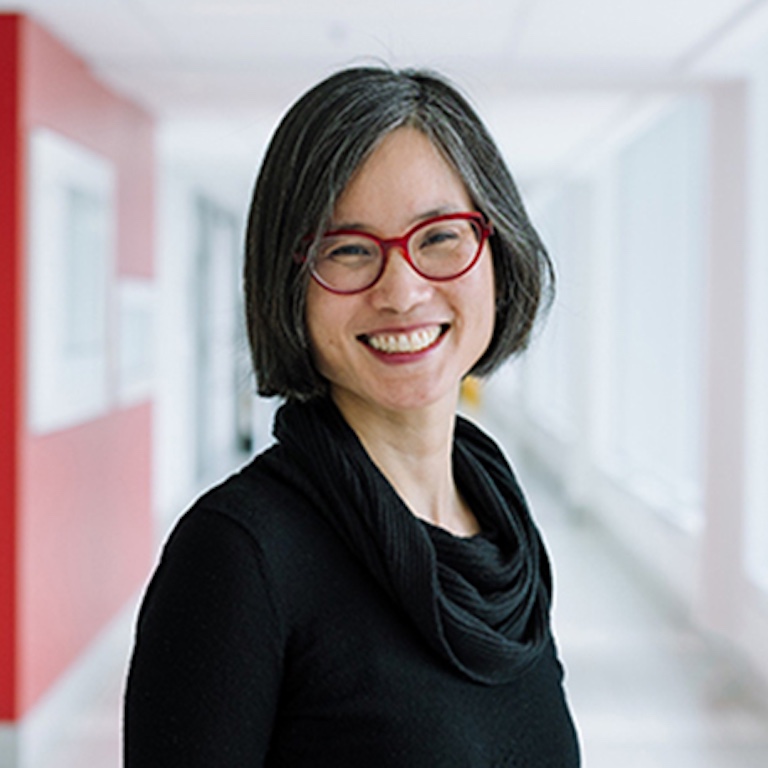
Dao Nguyen
Associate professor, McGill University, Medicine
Director, McGill Antimicrobial Resistance Center
Prof. Nguyen’s research focuses on Pseudomonas biology, the pathogenesis of cystic fibrosis lung infections, the mechanisms of antibiotic tolerance, and host-pathogen interactions. In this consortium, she coordinates the selection of bacterial strains for screening, together with her clinician colleagues, and transfers knowledge back to the clinic. She also helps develop high-throughput assays and pre-clinical studies of lead compounds in cellular and animal models. She also oversees EDI in the consortium alongside Prof. Marinier (above).

Jian Tang
Associate Professor, HEC Montréal, Department of Decision Science
Canada CIFAR AI Chair and and Mila core academic member
Prof. Tang has expertise in geometric deep learning, graph neural nets, knowledge graphs, generative models and their applications to molecular modeling. His pioneering work on graph representation learning is highly cited, with a tangible impact on drug discovery. In this consortium, he develops new approaches for peptide design based on geometric deep learning and deep generative models, and contributes to methods for optimizing synthetic methodologies for continuous flow synthesis.
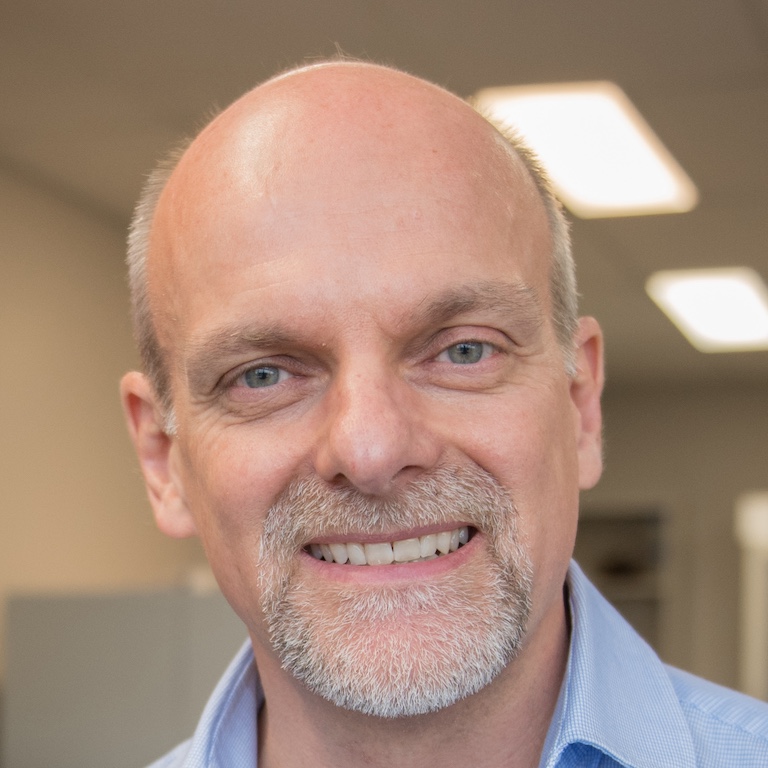
Pierre Thibault
Professor, Université de Montréal, Chemistry
Director, IRIC Proteomics facility
Prof. Thibault is a renowned bioanalytical chemist specializing in mass spectrometry and proteomics who has served as a principal investigator in academic, government and industry laboratories. His research program in mass spectrometry-based proteomics provides a deeper understanding of molecular mechanisms and post-translational modifications, which regulate protein functions involved in e.g. immunity and cell signalling. Here, he contributes infrastructure and expertise in proteomics, and identifies protein targets of lead compounds.
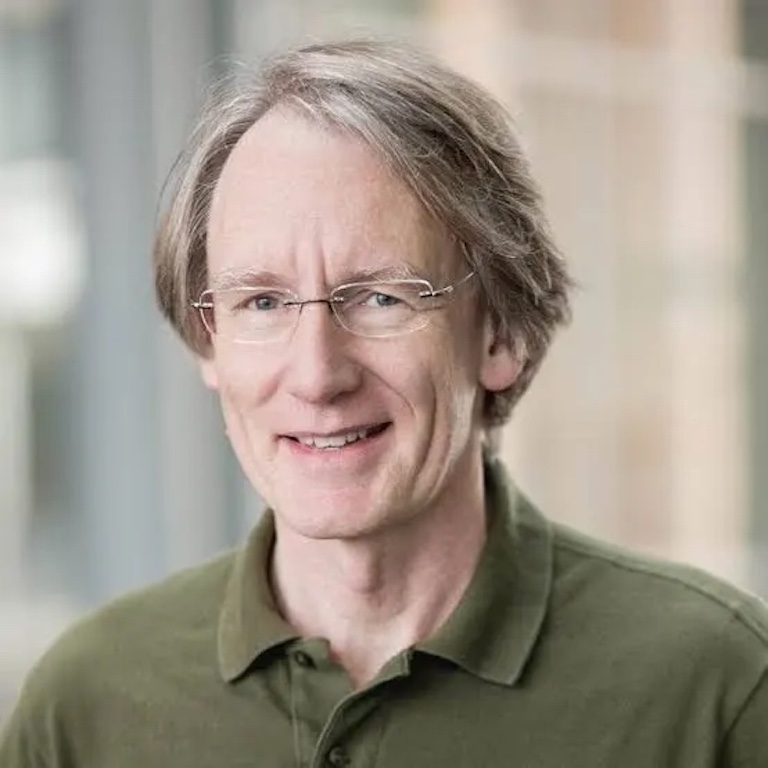
Michael Tyers
Professor, Department of Molecular Genetics, University of Toronto
Senior Scientist, The Hospital for Sick Children, Molecular Medicine Canada
Prof. Tyers’ research efforts focus on generating novel antimicrobial agents against pathogens including M. tuberculosis, E. coli, S. aureus, P. falciparum, and SARS-CoV-2 using synthetic biology methods. He has developed CRISPR-based methods to uncover small molecule mechanism-of-action for hundreds of drugs and bioactive compounds in human cells. In this consortium, he contributes infrastructure to generate, screen and analyze large peptide libraries designed by AI as well as cell- and target-based assays to validate antimicrobial hits.
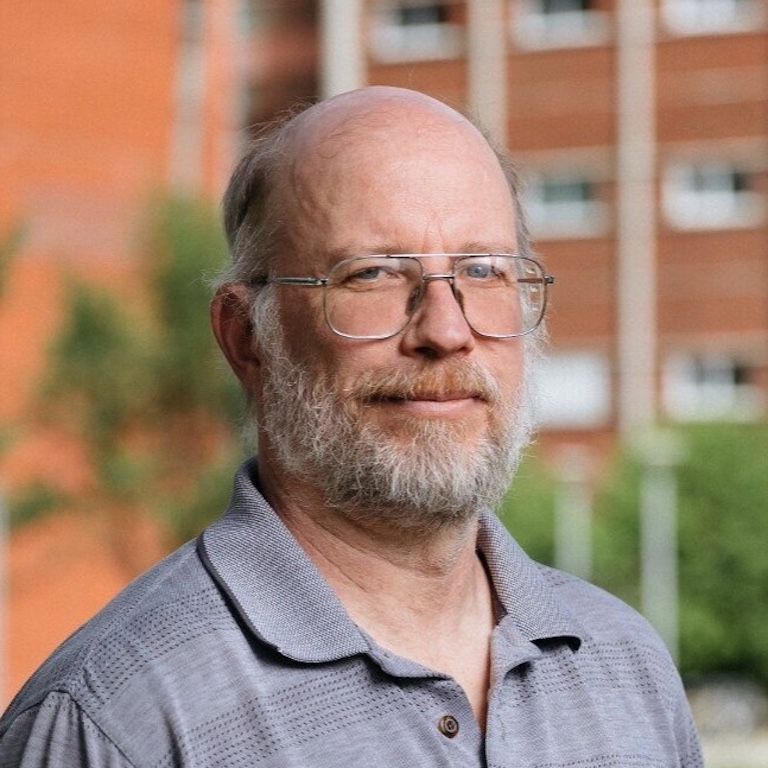
David Wishart
Professor, University of Alberta, Biological Sciences and Computing Sciences
Prof. Wishart has developed a number of widely-used techniques based on NMR spectroscopy, mass spectrometry, liquid chromatography and gas chromatography to characterize the structures of small and large molecules. He has also led the “Human Metabolome Project”, which catalogs all the known chemicals in human tissues and biofluids. His lab uses machine learning and artificial intelligence techniques to help create useful chemistry databases and software tools to help characterize and identify metabolites, drugs, pesticides and natural products. Here, he contributes method development for metabolomic toxicity profiling of compounds.